Education & Institutions.
Schools, colleges and universities.
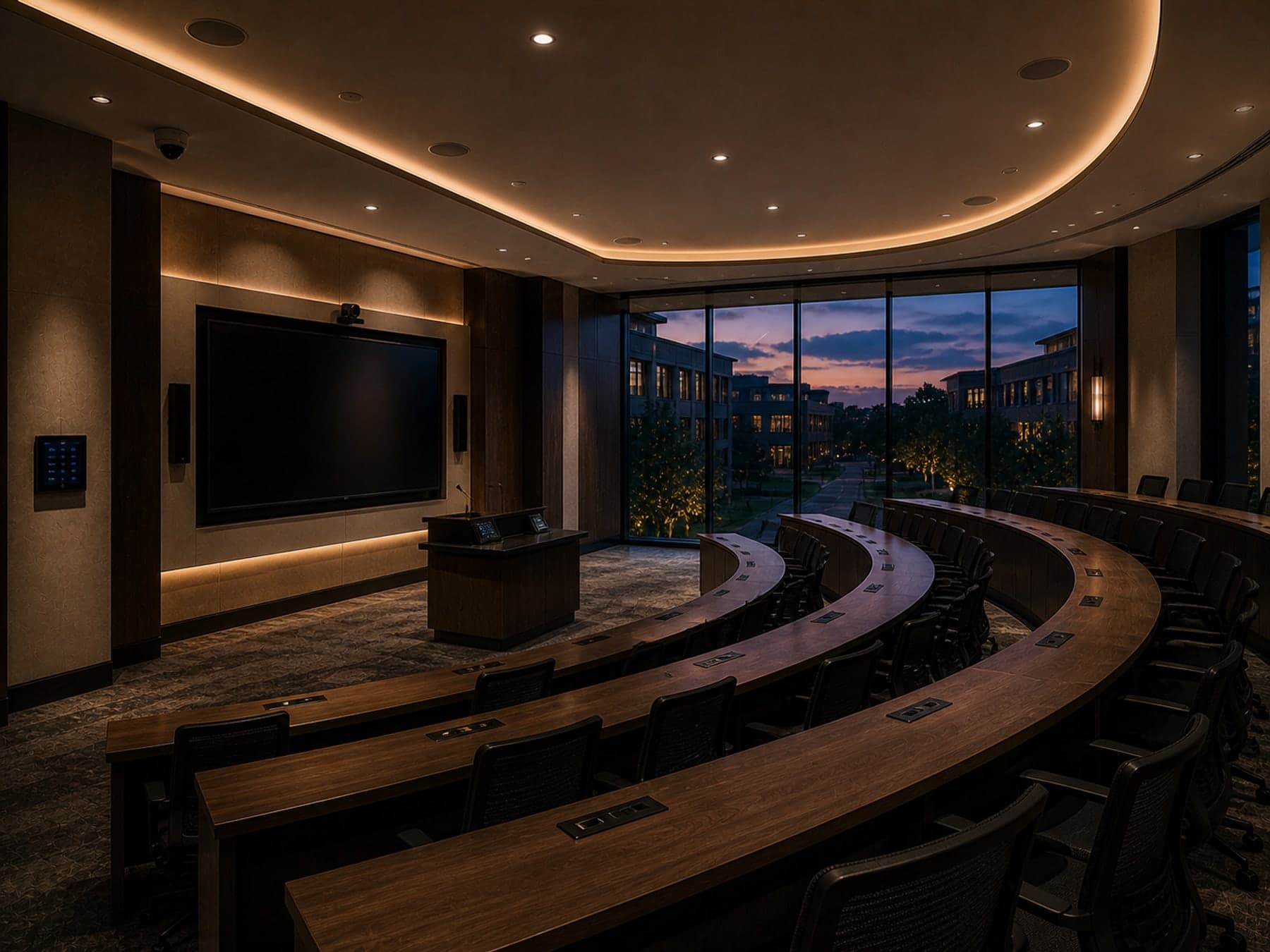
Smart classrooms, lecture-capture, auditoriums, libraries, hostels and campus IT — designed to NEP-2020, NCERT and university lab specifications.
| Aspect | Piecemeal fit-out | TechnoGuru — coordinated |
|---|---|---|
| Classroom kit | Consumer panels that fail under daily use | Commercial panels and voice-lift PA specified per classroom |
| Network | Sized for launch day | Campus Wi-Fi and cabling designed for the year-three load |
| Handover | Equipment left for staff to work out | Teacher and IT-lead training with a written cheat-sheet |
Educational comparison of delivery models — not a statement about any specific installer.
Education is unforgiving — every system runs daily, every classroom is operated by a different teacher, and every install must survive a thousand stylus presses, a hundred file uploads and ten thousand network connections. We over-engineer everything, document the operational manual in plain language, and train the campus IT team in person.
Campus work in Assam and the North-East runs on the academic calendar as much as on engineering: cabling and structural work land in vacation windows, classroom rollouts are staged so teaching never stops, and commissioning ends with hands-on teacher training rather than a handover box. We specify commercial-grade interactive panels and voice-lift audio per classroom because consumer equipment is a false economy at six to eight hours of daily use, and we size the campus network for the year-three device load rather than launch day.
The same discipline extends past the classroom — auditoriums and seminar halls engineered for intelligible speech, hostels with privacy-respecting surveillance and code-compliant fire and PA, and lecture-capture layers that integrate with the institution's own LMS. Where a project is grant-funded — NEP-2020 implementation, Samagra Shiksha, RUSA and similar schemes — we help map the technical specification to the scheme's eligibility criteria and prepare the documentation the auditing authority expects.
· Selected clients · Education
Systems delivered across education sites in the North-East.
- Royal Global School, Guwahati
- IMS (Trusted for Success)
- Don Bosco School
- NERIST — North Eastern Regional Institute of Science & Technology
Organisations across whose sites and facilities we have delivered systems — directly or as a specialist sub-contractor. Most engagements stay under contractual confidentiality; listing implies no endorsement or exclusivity, and trademarks remain the property of their owners. The full roster.
· What we coordinate on campus
From the smart classroom to the auditorium stage — one coordinated campus.
Schools, colleges, universities, coaching centres and institutional auditoriums. These are the systems TechnoGuru can plan, integrate and support across teaching spaces, halls and the campus network — coordinated with the architect and the institution and sized to the rollout.
Learning spaces
Classrooms built to teach, not to troubleshoot.
- Smart-classroom solutions
- Interactive panels
- Projectors and display systems
- Classroom audio systems
- Digital-library solutions
Auditoriums and halls
Stages and seminar halls that carry the room.
- Auditorium AV systems
- Stage lighting and stage furnishing
- Auditorium acoustics
- Seminar-hall AV
- Conference-room solutions
Campus security
Labs, hostels and admin areas, access-controlled.
- CCTV and surveillance
- Access control for labs, hostels and admin areas
- Boom barrier and entrance control
Network and IT
One campus network behind every classroom.
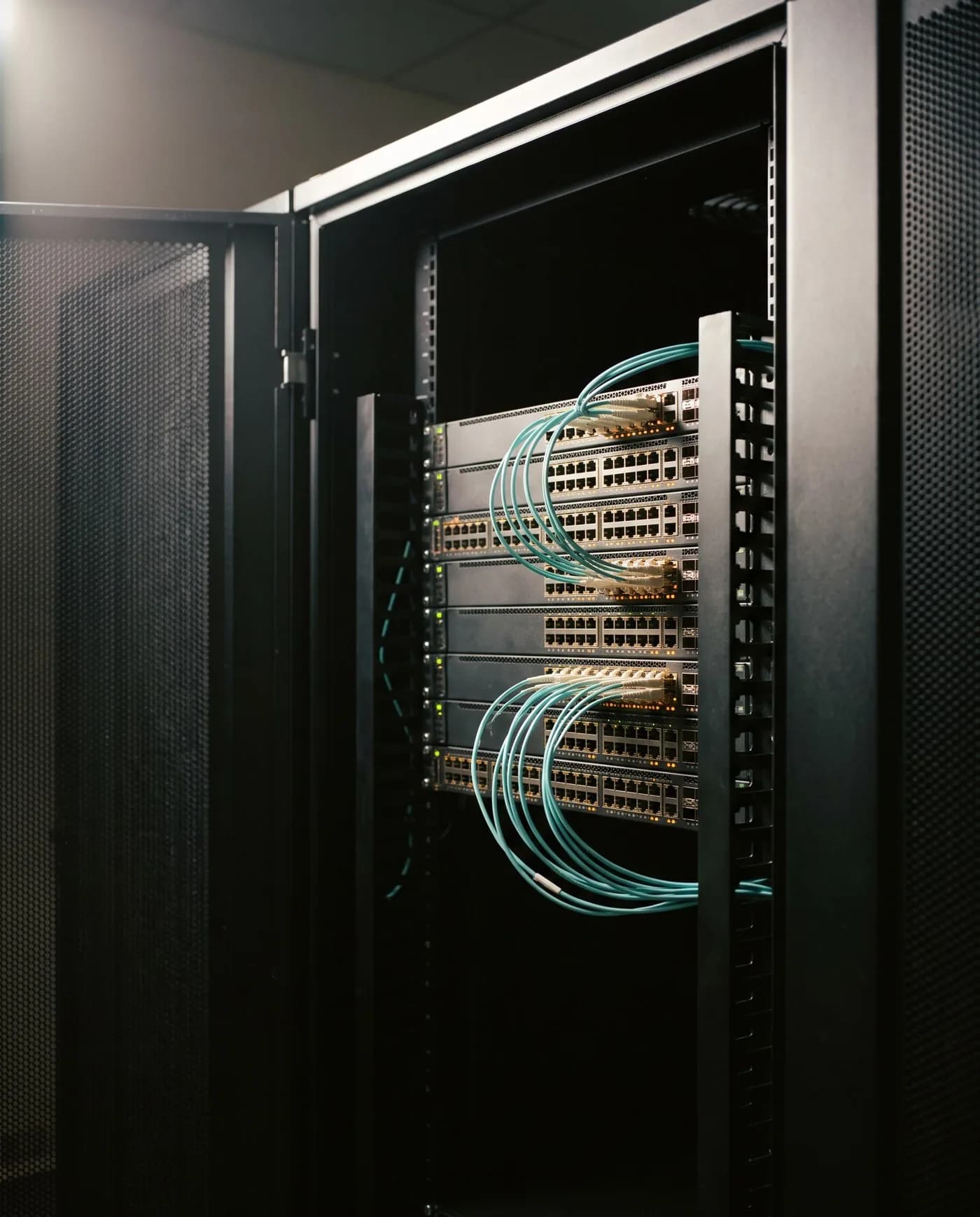
- Campus Wi-Fi and networking
- IT infrastructure and structured cabling
- Computer-lab networking
Life safety and backup
Code-compliant safety, with power that holds.
- Fire alarm system
- Fire safety systems
- Campus-wide PA and announcement
- UPS backup for labs, server rooms and AV systems
Planned for phased, term-aware rollouts and supported under AMC. We agree the detail privately against the drawings — no device counts, quantities or layouts are published here.
Illustrative cause-and-effect sequence: when the trigger event fires — Period 4 → Period 5 (Schedule tick · campus-wide trigger.) — the integrated systems respond in order: Zoned bell: Three-tone chime over PA in academic blocks only; sports and admin suppressed.; Smart classrooms: Period-5 timetable pushed to interactive panels; previous slides held in cache.; Attendance gates: Lateness window opens for 7 min; entry logged against student id.; BMS profile: AHU setpoints follow Period-5 occupancy map; unused blocks setback.; Day audit: Period transition recorded with zone-by-zone confirmation.. The animation steps through each response with the same information; use the Run and Reset controls to replay it. This is a demonstration of how the systems are wired together, not a recording from a live site.
— Cause & effect · Education
Period bell. Whole campus turns the page.
A single time-table tick advances scheduled audio, smart-classroom displays, attendance gates and the day-cycle BMS profile — across every block on the timetable, in coordination, with one audit row per outcome.
Period 4 → Period 5
Schedule tick · campus-wide trigger.
- 01
Zoned bell
Three-tone chime over PA in academic blocks only; sports and admin suppressed.
PA - 02
Smart classrooms
Period-5 timetable pushed to interactive panels; previous slides held in cache.
AV - 03
Attendance gates
Lateness window opens for 7 min; entry logged against student id.
Access - 04
BMS profile
AHU setpoints follow Period-5 occupancy map; unused blocks setback.
BMS - 05
Day audit
Period transition recorded with zone-by-zone confirmation.
Compliance
· Core services
9 services
delivered to this sector.
Grouped by the engineering layer each system belongs to — the way the scope is actually coordinated on site.
Indicative coordination scope. Not every project engages every layer; the working scope is agreed against the drawings before anything is specified.
· Delivered as turnkey
Auditoriums and campus halls, delivered end to end
On turnkey auditorium and cultural-infrastructure work — such as Town Hall Dimapur and the Cultural Capital Complex, Kohima — our scope is not limited to supply or installation. It can span audio, video, IT, acoustics, fire hydrant, fire alarm and fire extinguisher works where applicable to project scope, HVAC, stage furnishing, stage lighting, auditorium seating, step lighting and controlled / dimmable indoor lighting, alongside BOQ / design coordination and interior planning / design coordination where required by the auditorium scope — coordinated as one accountable hand from requirement to handover, subject to drawings, AHJ / consultant review and project scope.
Equipment categories
See the equipment behind the solution.
Explore equipment we supply and the services around it. The final specification follows your space, operating needs and agreed scope.
Equipment illustration
Commercial LED panels & displays
Commercial display equipment for presentation and public-facing content. Display technology and operating requirements are specified for the room.
Explore related service
Equipment illustration
Interactive flat panels
Touch flat panels for classrooms, training rooms and boardrooms — supplied directly and through GeM. Panel size, mounting and the room's source and control arrangement are confirmed for each order.
Explore related service
Illustrative — generated visual, not a real project photograph. Illustrative category scene
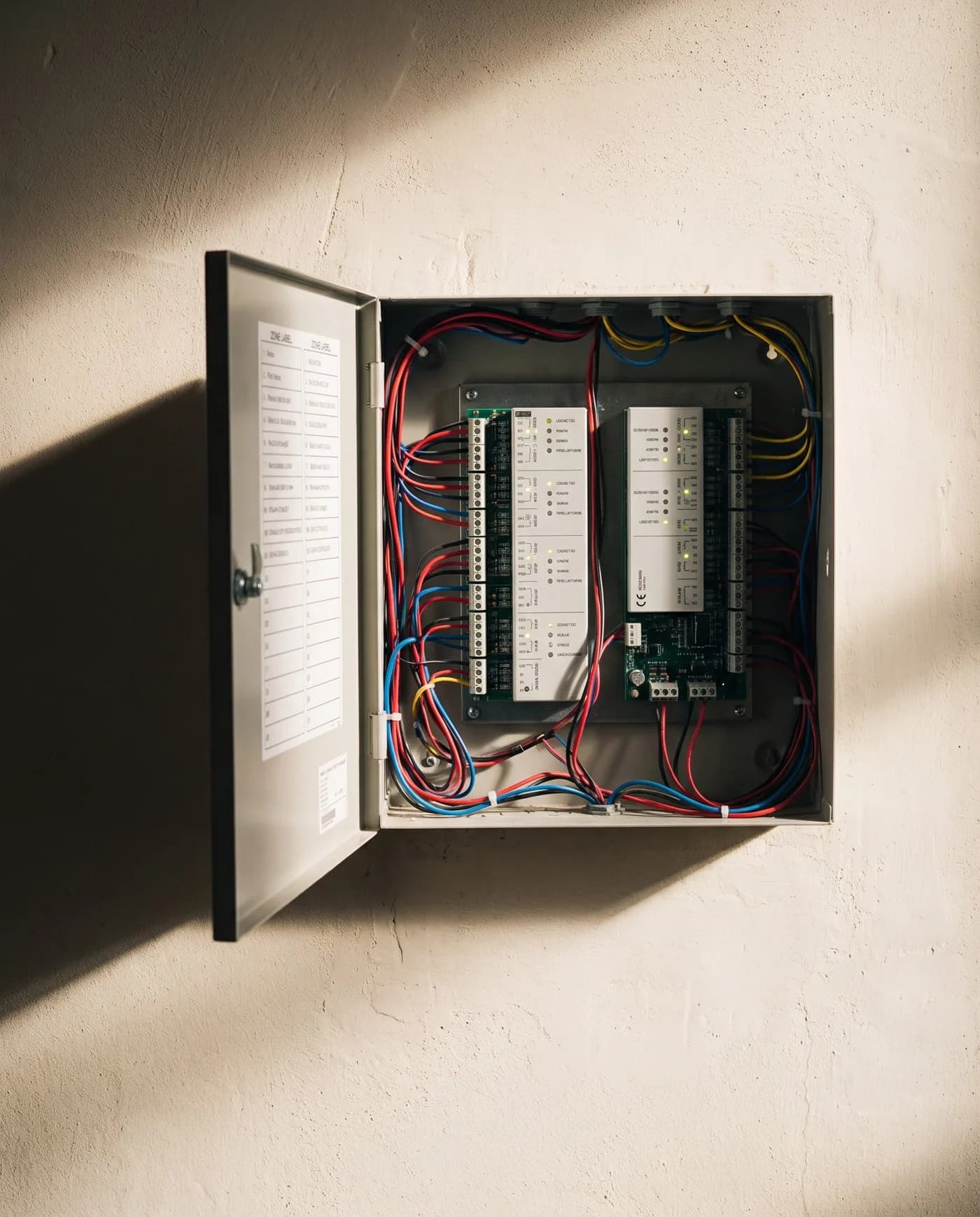
Fire alarm equipment
Detection and alarm equipment for the fire consultant's agreed design and applicable project requirements.
Explore related service
Illustrative — generated visual, not a real project photograph. Illustrative category scene
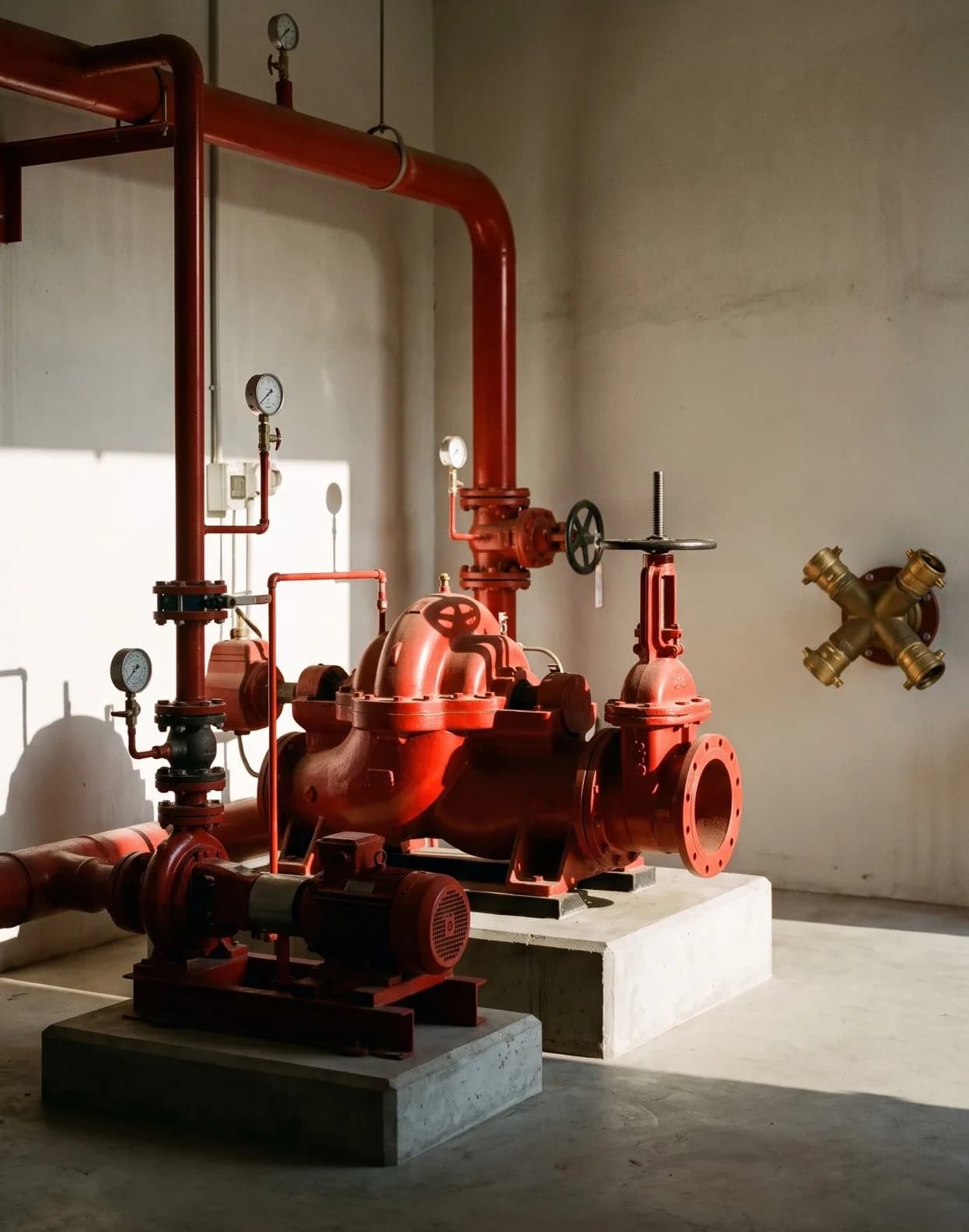
Fire hydrant equipment
Hydrant equipment coordinated with the approved fire-protection design, water supply and commissioning scope.
Explore related service
Illustrative category scene
Fire-protection goods
Extinguishers, hose reels, fire blankets, egress signage and cabinet hardware, supplied against the building's agreed fire-protection schedule with refill and inspection dates recorded.
Explore related service
Illustrative — generated visual, not a real project photograph. Illustrative category scene
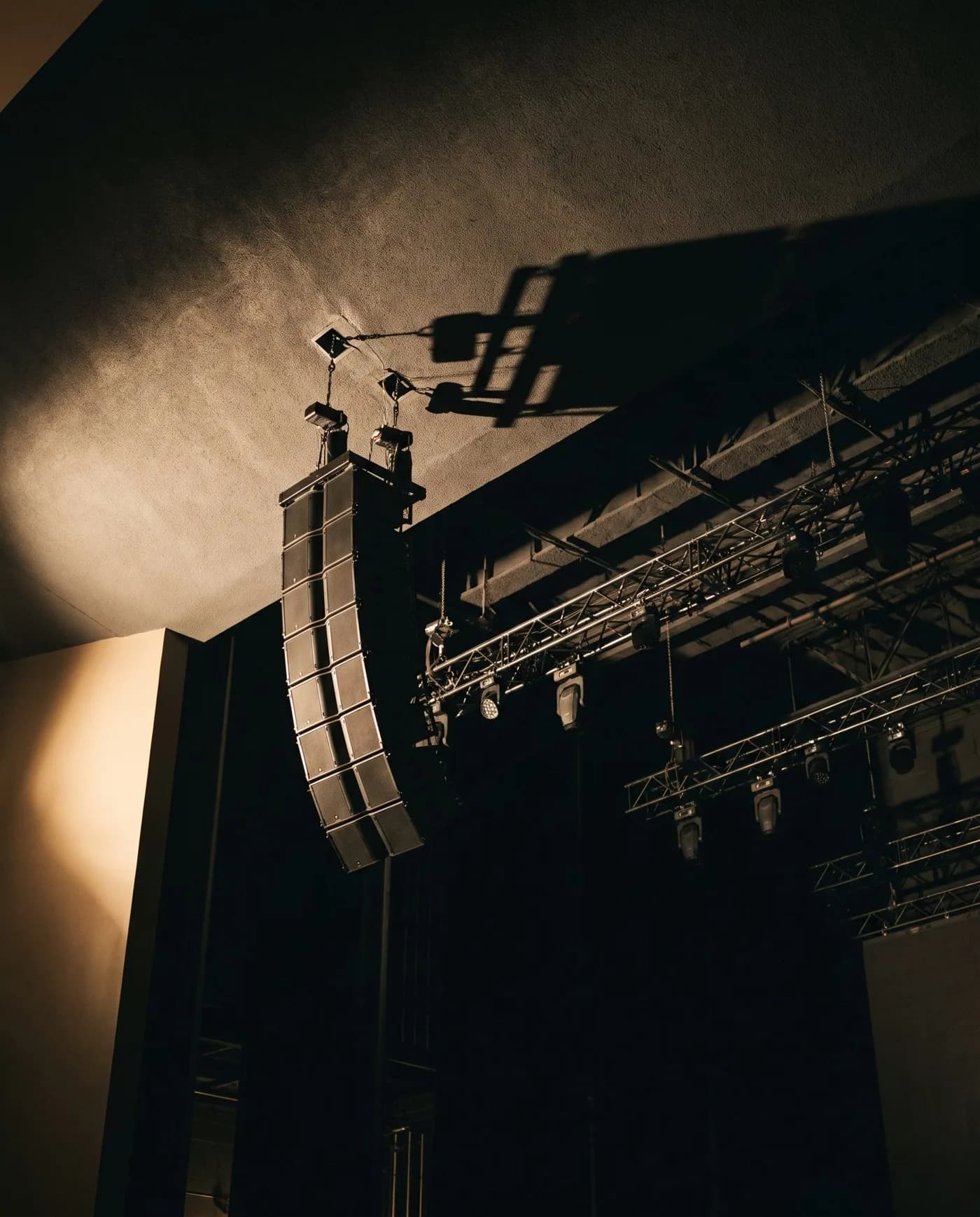
Professional audio
Loudspeakers, amplification and audio processing for speech, music and performance applications.
Explore related service
· Frequently asked
Education —
what buyers ask first.
What systems can TechnoGuru support for a school, college or university campus?
For schools, colleges, universities, coaching centres and campus auditoriums, TechnoGuru can plan and integrate smart classrooms with interactive panels and classroom audio, projectors and displays, digital-library and seminar-hall AV, auditorium AV with stage lighting, stage furnishing and acoustics, campus-wide PA and paging, CCTV and access control for labs, hostels and admin areas, campus Wi-Fi and structured cabling, computer-lab networking, fire alarm and safety systems, boom barriers and entrance control, and UPS backup for labs, server rooms and AV — coordinated across the campus and supported afterwards under an AMC.
What goes into a NEP-2020 compliant smart classroom?
A NEP-2020 smart classroom needs an interactive flat-panel, voice-lift PA, lecture-capture PTZ, document camera and LMS integration with Google Classroom, Teams or Moodle. An interactive flat-panel (75–98") rated for 50,000 hours of stylus use, a voice-lift PA system that protects the teacher's voice across a 60-student room, a PTZ camera that auto-tracks the speaker for lecture-capture, a document camera for materials, and integration with the school's LMS (Google Classroom, Microsoft Teams, Moodle). We design and commission to specification per classroom rather than copy-pasting a generic kit.
Why is consumer-grade equipment a false economy in classrooms?
Consumer TVs are rated for 8–12 hours of daily use and lack hardened anti-glare coating, multi-point stylus support and OPS-PC slots — lifecycle cost in classrooms runs 2–3× the equivalent commercial panel. Consumer TVs are rated for 8–12 hours of daily use; classroom panels run 6–8 hours daily for ten years. Consumer panels lack hardened anti-glare coating, multi-point stylus support, and OPS-PC slots. The lifecycle cost of using consumer TVs in classrooms is typically 2–3× the equivalent commercial panel because of replacement frequency.
Can you handle the campus-wide network and not just classrooms?
Yes — campus IT including Wi-Fi 7 across 8+ acres, SD-WAN linking buildings, segmented VLANs and IP-PBX is part of our standard education scope. Campus IT — structured cabling, Wi-Fi 7 across 8+ acres, SD-WAN linking buildings, network security and segmentation between admin/staff/student/IoT VLANs, video-conferencing infrastructure, and IP-PBX for the principal's and HOD lines — is part of our standard education scope. We design for the year-three load, not launch day.
What's the typical timeline for a 32-classroom rollout?
A classroom rollout is programmed around the confirmed room scope, equipment procurement, approvals, civil readiness and the school calendar. Survey and design, cabling and structural preparation, panel and PA installation, commissioning and teacher training remain separate milestones. The written schedule is agreed with the school so access and teaching constraints can be planned.
Do you train teachers on the new technology?
Yes — every install hands over with hands-on training for the IT lead and a small group of teachers, plus a written cheat-sheet and a remote check-in after the first month. Every install hands over with a hands-on training session for the school's IT lead and a small group of subject teachers, plus a written cheat-sheet for the next teacher. We follow up with a remote check-in after the first month to clear any operational questions that have surfaced in real classroom use.
Can you build a lecture-capture and hybrid-learning capability across an existing campus?
Yes — lecture-capture and hybrid-learning is built from PTZ cameras with auto-tracking, ceiling-array mics, encoder appliances and integration with Panopto, Microsoft Stream, Kaltura or Moodle. PTZ cameras with auto-tracking, ceiling-array microphones for room audio, encoder appliances streaming to the LMS, and content-management for the recorded archive. We design at room level for the lecture style — chalk-and-talk, seminar, lab, panel — and we integrate with the institution's chosen platform (Panopto, Microsoft Stream, Kaltura, Moodle). Retrofit is routine; we work around academic calendars.
What does AV and IT for a hostel and student-residence block typically cover?
Hostel scope covers Wi-Fi sized for 3–4 devices per resident, privacy-respecting CCTV, HRMS-integrated room access, NBC-compliant fire and PA, and centralised IPTV where wanted. Common-area Wi-Fi rated for the actual concurrent device load (3–4 devices per resident at peak), CCTV at all entries and corridors with privacy-respecting placement, access control on individual rooms with HRMS-integrated key issue, fire alarm and PA voice-evacuation per NBC, and a centralised IPTV or content-injection layer where the institution wants it. We design hostels for the wear-and-tear realities of student life.
Are these projects typically funded through institutional capex or government grants?
Both — private institutions typically fund through capex, government and aided ones through NEP-2020, Samagra Shiksha, RUSA or World Bank-funded programmes. Private institutions typically fund through capex; government and aided institutions through specific schemes (NEP-2020 implementation grants, Samagra Shiksha, RUSA for higher education, World Bank or ADB-funded programmes). We help map the technical specification to the grant's eligibility criteria and prepare the documentation the auditing authority expects.
Engineering decisions
Decisions that shape education projects
Decision · Display & Collaboration
Interactive panel vs projector — classrooms and meeting rooms
You are equipping a classroom or meeting room with an interactive surface and want it matched to the light, the room size and how it is used.
Decision · Display & Collaboration
LED wall vs projector — the right large display
You are choosing the large-format display for a room and want it matched to the ambient light, viewing distance and how the room is used.
Decision · Networking & IT
Wi-Fi 6 vs Wi-Fi 7 — which generation to design for
You are provisioning wireless for a new building or a refresh and want to size the AP grid, cabling and switching for the right generation.
Decision · Networking & IT
Cat6 vs Cat6A — structured cabling grade
You are specifying the horizontal cabling grade for a new fit-out or a re-cable and want to size it for the building's life, not just today's link speed.
Engineering toolkit
Tools we use for education work
Calculators and reference checkers our engineers reach for first on projects in this sector.
- ELV · Surveillance
CCTV Coverage Calculator
Building dimensions and risk profile in, recommended camera count, retention storage and bandwidth out. Densities are planning conventions, not a code rule.
Cameras · TB · MbpsOpen - Life-safety
NBC Compliance Checker
Building height, type and occupancy in — the life-safety and ELV systems NBC 2016 indicates for that building, citing NBC 2016 and the relevant IS codes.
NBC 2016 · IS codesOpen - IT · Networking
Network & PoE Calculator
Sized to year-three load — switches, Wi-Fi 7 access points, PoE budget (watts), Cat6A run count, port/AP sizing. Cisco / HPE Aruba / Juniper-class enterprise gear.
Switches · APs · PoE WOpen
/ Engineering notes
Long-form reading for education projects
Insight
Structured cabling planning: the 25-year decisions you take in week one of design
Structured cabling is the layer everything else runs on, and almost every decision about it is taken in the first week of design — when the architect's drawings are still fluid and the IT team has not yet assembled. Get those decisions right and the building runs cleanly for 25 years. Get them wrong and every device added in year three is a retrofit exercise.
Insight
Enterprise Wi-Fi density: the attenuation realities that defeat uniform AP-class deployments
Wi-Fi density on the spec sheet is per-square-metre; Wi-Fi density in the building is per-attenuation-event between every AP and every client. Stone walls, RCC slabs, glass partitions, low-E coatings and tenant fit-outs all bend the catalogue answer. Mixed AP-class deployment is the engineering answer to the spec-sheet trap.
Insight
Digital signage architecture: pixel pitch, content orchestration and the part of the brief nobody writes
Pixel pitch against viewing distance, brightness against ambient light, content distribution architecture, signal redundancy and the thermal/load realities that decide whether a signage deployment ages well or fails in eighteen months.
Every calculator, checker and planner curated for education projects lives on one directory page.
All education tools →· Begin
Project in education?
Begin a brief.
The first reply will come from a project lead, not a sales gateway, within two working days.