

K-array & KGEAR · Architectural audio
Premium Italian sound,
built into the design.
K-array and KGEAR are premium Italian audio ecosystems for spaces where sound quality and visual restraint both matter. TechnoGuru specifies, supplies, installs and integrates them for architects, interior designers, hospitality and premium residences across North-East India.
Quick answer
K-array and KGEAR are premium Italian audio ecosystems built for design-led spaces — K-array's slim, discreet loudspeakers and KGEAR's everyday professional line let serious sound be planned without visual clutter. TechnoGuru specifies, supplies, installs and integrates both, choosing between them on project fit, the room and the brief.
When to use
Premium residences, hospitality, lounges, restaurants, auditoriums, retail and boardrooms where the loudspeaker must support the interior.
When not to use
Where the system can be bulky and visible, a simpler, lower-cost ecosystem may be the honest recommendation.


Two Italian audio ecosystems, one design intent. K-array leads where visual restraint is decisive; KGEAR brings dependable professional sound to everyday installation contexts.
On the record
Brand-authorisation documents for K-array and KGEAR are available on request, and a K-Array Certified Designer is on the team. A letter of that kind is not a dealership or a distributorship, and carries no exclusivity or territory.
See credentialsTwo brands · one ecosystem
When to choose which.
K-array and KGEAR share one engineering lineage. The difference is how far the system has to disappear and the budget band — not how serious the sound is.
| Consideration | K-array | KGEAR |
|---|---|---|
| Where it shines | Flagship design-led interiors where the speaker must nearly vanish. | Everyday professional installs that still want K-array engineering. |
| Visual footprint | Ultra-slim, near-invisible, custom finishes (RAL / gold-plate). | Compact and discreet, standard professional finishes. |
| Typical spaces | Luxury residences, hotels, lounges, retail, galleries, auditoria. | Restaurants, bars, cafés, corporate, retail, fitness, mid-budget venues. |
| Budget band | Premium — specified when restraint and finish are non-negotiable. | Value-conscious — when budget matters but quality cannot drop. |
Built on K-array engineering
KGEAR follows in the footsteps of K-array's three decades of professional-audio research — the same engineering lineage, positioned for everyday installs.
Designed & primarily made in Italy
Both lines are designed and primarily manufactured in Italy, with the build quality that a permanent architectural install needs.
Pure-array thinking
K-array's signature approach packs full-range output into strikingly slim aluminium enclosures — so a serious system can almost disappear into the architecture.
Also in the K-array Group · KSCAPE
Beyond audio, the K-array Group includes KSCAPE — architectural lighting engineered to integrate with the same design-led discipline. Where a brief calls for sound and light to be resolved together, the audio and lighting layers can be planned as one coherent, low-clutter system.
01 / For the design team
Why architects and
interior designers care.
The point of these systems is what you don’t notice. The sound is present; the hardware is not.
Compact visual footprint
Slim profiles and restrained finishes let the loudspeakers recede into the architecture.
Design-sensitive placement
Speaker positions are planned with ceilings, walls and furniture — not improvised afterwards.
Clean architectural integration
Fewer, smaller boxes; brackets and cable paths resolved while surfaces are still open.
Sound that supports the interior
Coverage and clarity that serve the room, without the system dominating it.
Early coordination
We join the design conversation while ceiling, wall and furniture layouts can still flex.
02 / Where it fits
Built for design-sensitive spaces.
- Explore
Premium residences & villas
Whole-home and lifestyle audio that recedes into the interior.
- Explore
Hotels, lounges & hospitality
Even, refined coverage across lobbies, lounges and guest areas.
- Explore
Restaurants, cafés & nightlife
Atmosphere that scales from background to energy without clutter.
- Explore
Auditoriums & boardrooms
Intelligible speech and music for rooms that have to perform.
- Explore
Luxury retail & galleries
Considered sound that protects the look of the space.
- Explore
Private cinema & media rooms
Architectural loudspeakers paired with reference processing.
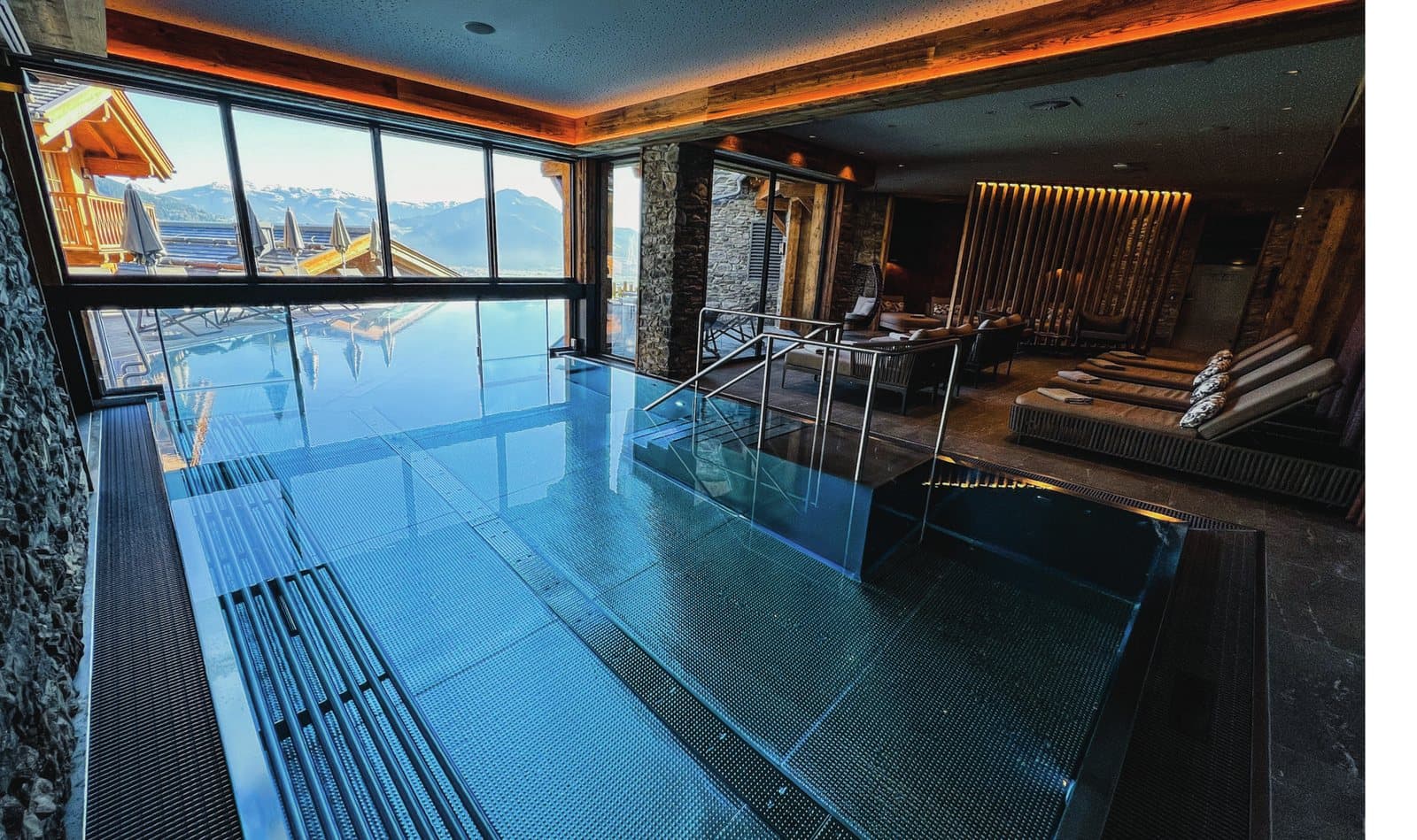
03 / Product ecosystem
A family of form factors.
Examples of fit, not a full catalogue. The right family is chosen for the room — never specified before the design.
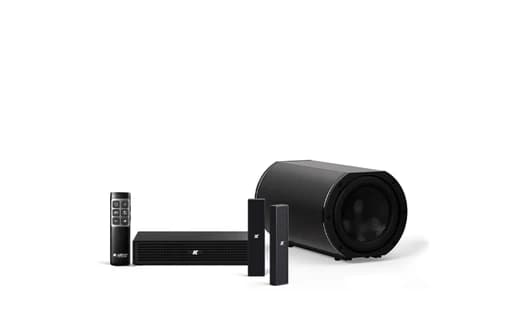
Azimut
K-arrayA discreet, near-invisible system approach for premium interiors and lifestyle spaces.
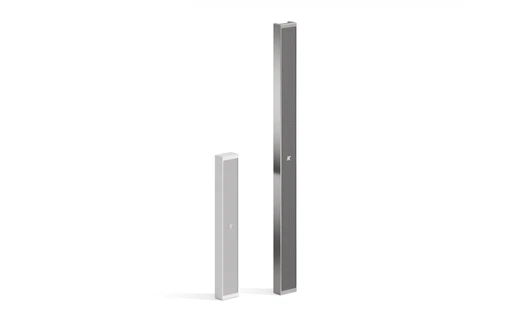
Vyper
K-arrayUltra-flat aluminium line-array for walls and façades where depth is at a premium.
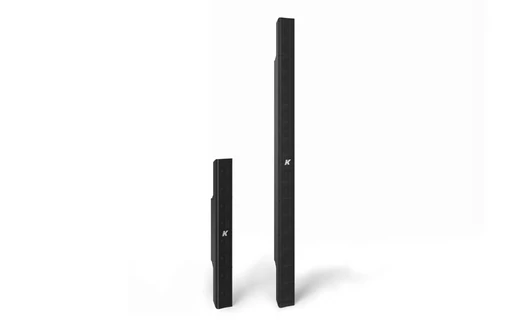
Kobra
K-arraySlim line-array elements for even, low-profile coverage across lounges and halls.

Anakonda
K-arrayA flexible loudspeaker that bends along architecture other speakers can't follow.
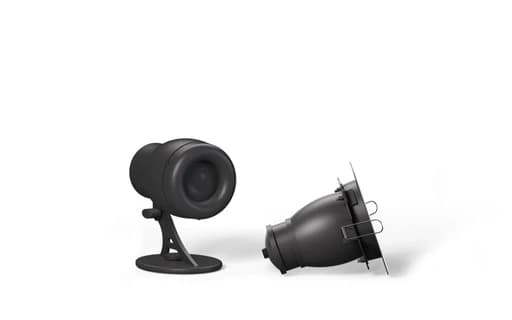
Tornado
K-arrayCompact point-source for focused, discreet coverage within tight sightlines.
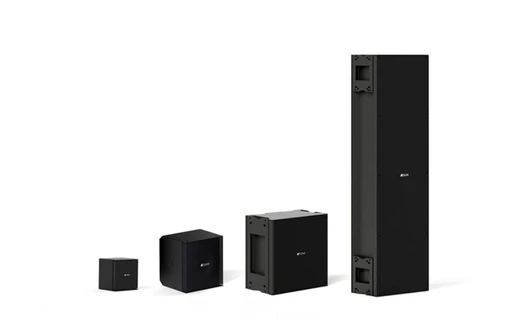
KGEAR
KGEARThe everyday professional line for hospitality, retail and corporate installs.
04 / How we work
From brief to
handover.
- 01
Project-fit consultation
K-array, KGEAR or another ecosystem — chosen for the brief, the room and the budget band.
- 02
Room & use-case mapping
Listener zones, coverage intent and how visible the system is allowed to be.
- 03
Coordination with your design team
Placement, finishes and cable routing agreed with the architect and interior designer.
- 04
System integration
Amplification, DSP, control, automation and acoustics delivered as one coherent layer.
- 05
Commissioning & handover
Tuned, documented and handed over — with long-term support arranged.
05 / Before you specify
What to decide first.
A short, honest checklist that shapes the system long before a single model is chosen.
Decision summary
- Room type & how it's used
- Sets the loudspeaker family and how many independent zones the space needs.
- Listener zones & seating
- Defines coverage so every seat hears a consistent balance.
- Visual tolerance
- How visible the system can be steers K-array vs KGEAR, and the finish.
- Ceiling, wall & furniture constraints
- Resolved with your architect before surfaces are closed up.
- Control & automation
- Whether audio joins lighting, scenes and a single control layer.
- Budget band
- Discussed openly to match ambition to scope — no list pricing published here.
06 / Questions
Frequently asked.
Is K-array or KGEAR suitable for design-led interiors?
Yes. K-array's loudspeakers are deliberately slim and low-visibility, and the KGEAR line keeps everyday professional audio simple to install — both suit spaces where the system should support the design rather than dominate it. The right choice depends on the room, the coverage you need and how visible the speakers can be.
Can TechnoGuru coordinate directly with my architect or interior designer?
Yes. We prefer to join while layouts can still flex, so speaker positions, finishes and cable routing are resolved with the design team rather than retrofitted afterwards. You are welcome to share this page with your architect or interior designer as a starting point.
Where do K-array and KGEAR systems fit best?
Premium residences and villas; hotels, lounges, restaurants, cafés and nightlife; auditoriums and boardrooms; luxury retail and galleries; and private cinema or media rooms — essentially any design-sensitive space where sound quality and visual restraint both matter.
Does specifying K-array or KGEAR replace acoustic planning?
No. Loudspeaker selection and room acoustics are separate disciplines. The speaker family sets coverage and visual footprint; the room's surfaces and treatment determine how it actually sounds. We plan both together rather than treating one as a substitute for the other.
Can the audio be integrated with automation and control systems?
Yes. The audio layer is designed to sit alongside lighting, control and automation, so a space can be operated through a single, considered control experience. Scope is agreed with you and your design team up front.
Can TechnoGuru help evaluate whether K-array or KGEAR fits my project?
Yes. Share the brief — room types, how the spaces are used and your design intent — and we will give a first reading on whether K-array, KGEAR or another ecosystem is the right fit, and why. Brand follows the project, not the other way around.
When should I choose K-array over KGEAR?
Choose K-array when visual restraint and finish are non-negotiable — flagship residences, hotels, lounges and galleries where the loudspeaker should almost disappear, including custom finishes. Choose KGEAR when you want K-array's engineering lineage at a more everyday budget — restaurants, bars, cafés, corporate and retail installs. The room, the coverage and how visible the system can be decide it; we will recommend honestly either way.
Are K-array and KGEAR available in North-East India — Guwahati and Assam?
Yes. TechnoGuru specifies, supplies, installs and integrates K-array and KGEAR systems for projects across North-East India and the wider eastern arc, working from our Guwahati base. We coordinate the full system — loudspeakers, amplification, DSP, control and commissioning — rather than supplying boxes alone.
How much do K-array or KGEAR systems cost?
We do not publish list pricing here, because a design-led audio system is scoped to the rooms, coverage, finishes and control it has to deliver — not sold per box. Share your brief and budget band and we will match the right ecosystem and scope to it, openly.
Does the K-array ecosystem include lighting?
Yes. The K-array Group includes KSCAPE, an architectural-lighting line built to the same design-led discipline as the audio. Where a project wants sound and light resolved together, we can plan both as one coherent, low-clutter layer.
Written by Pranab Kumar Beriya — Founder & Chief Executive Officer, who holds the K-Array Designer certification.
Last reviewed · 2026-05-29
07 / Begin
Plan a design-led audio system
with your architect.
Bring the brief and the drawings. We’ll give a first reading on whether K-array, KGEAR or another ecosystem is the right fit — and why.